Showing posts with label industrial design. Show all posts

Friday, May 4, 2012

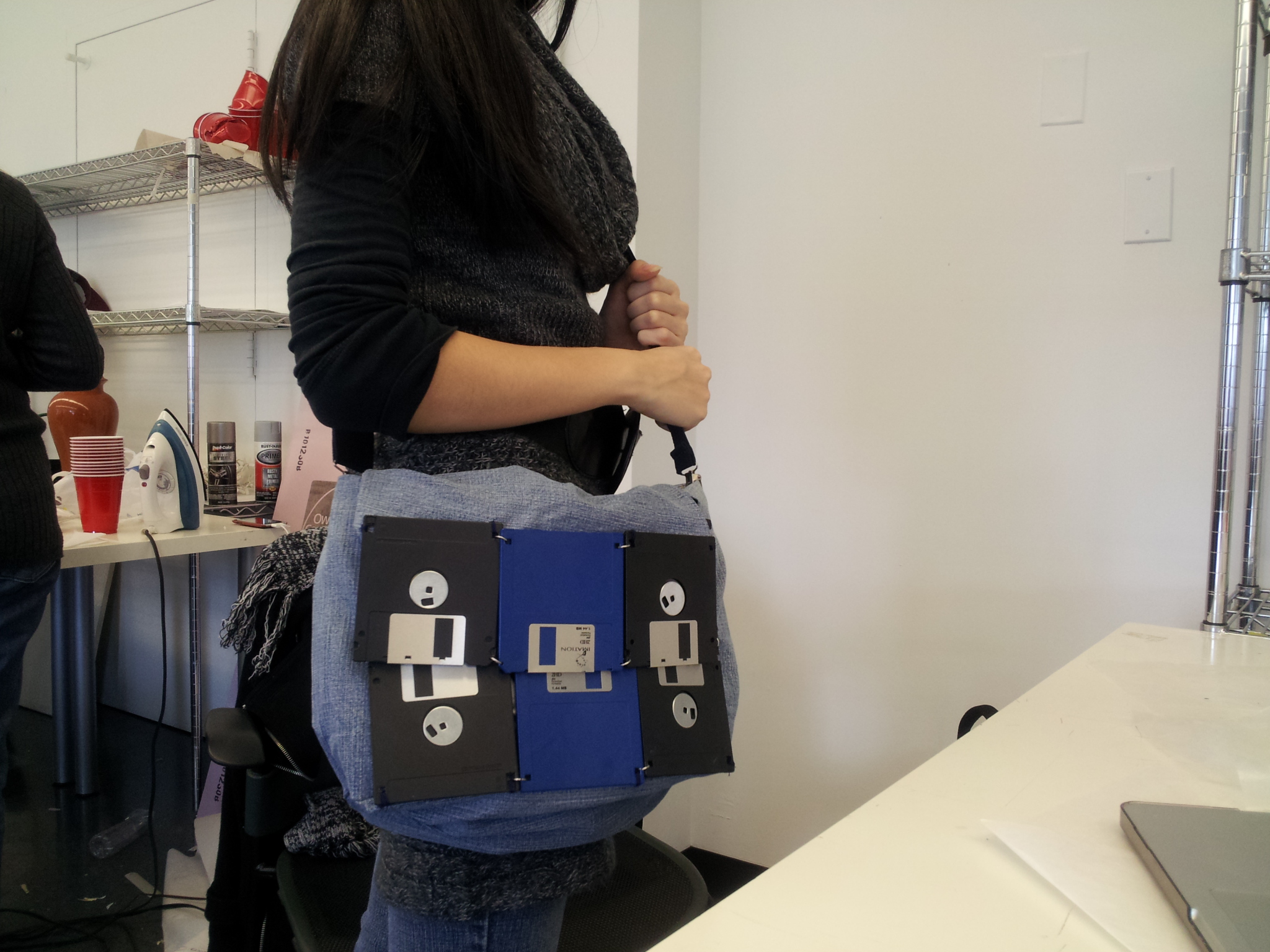
Discarded to Precious – Floppy-disk/Jeans Bag


Challenge:
- Design a product that is only constructed out of discarded materials.
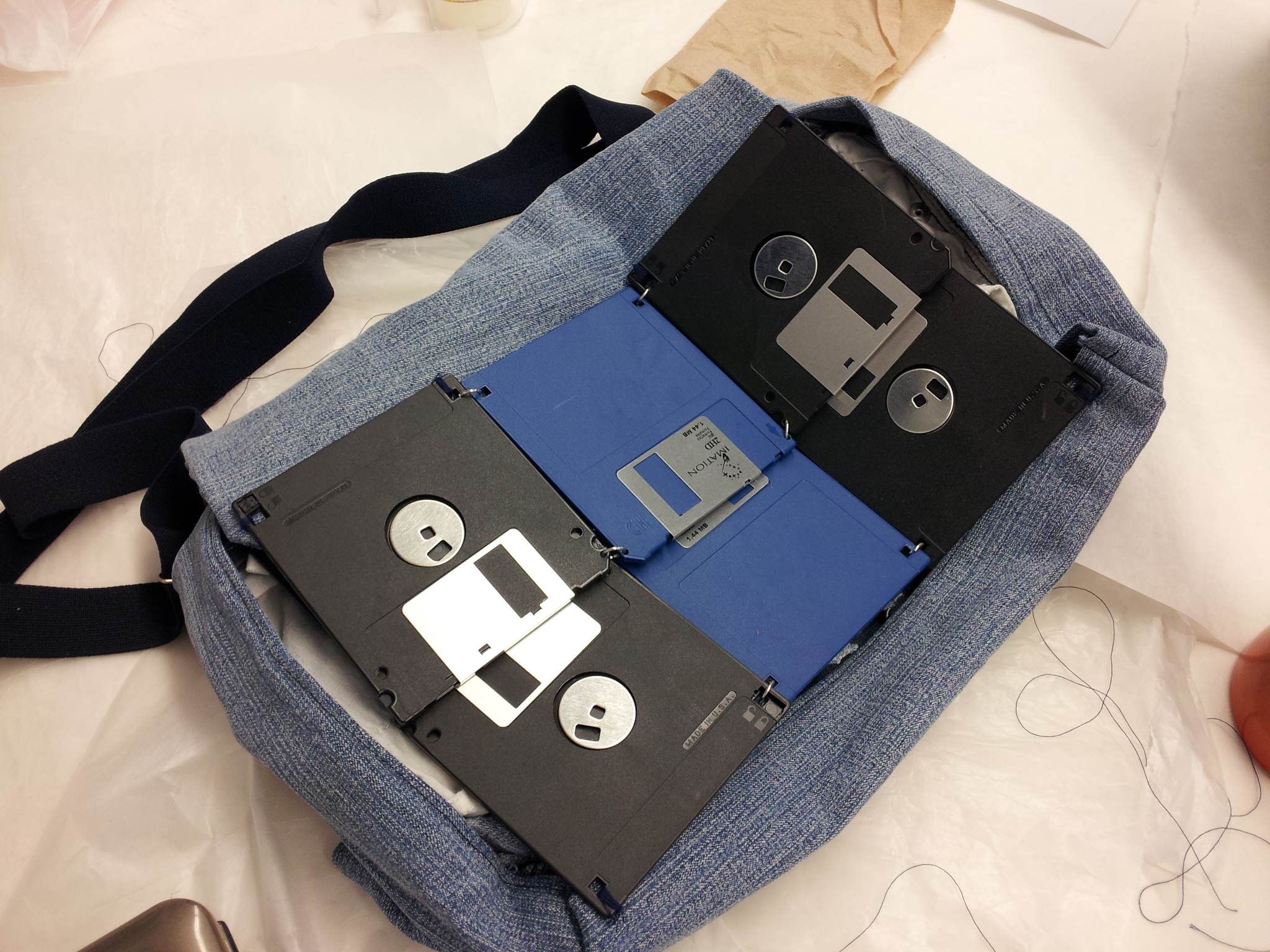
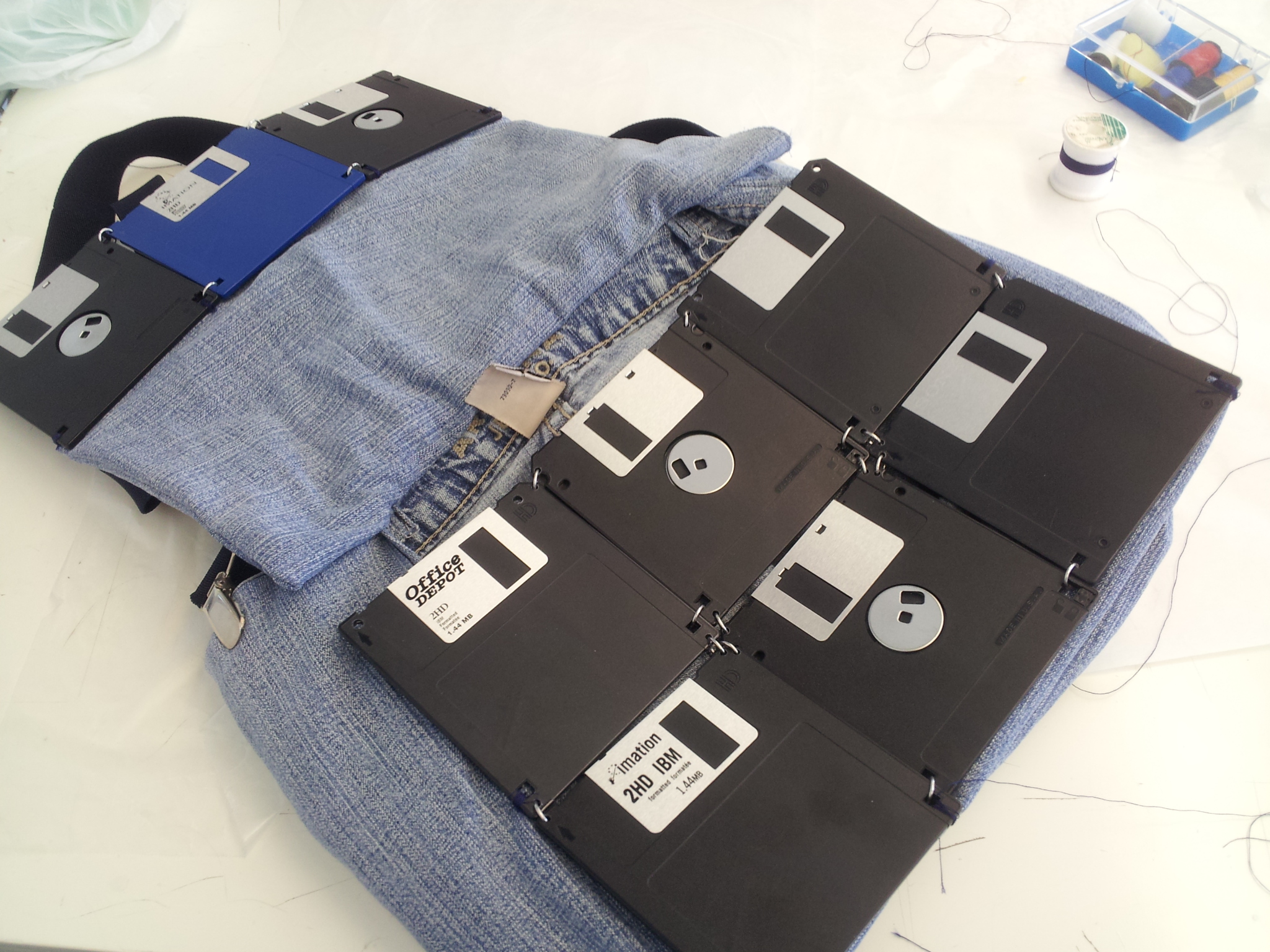
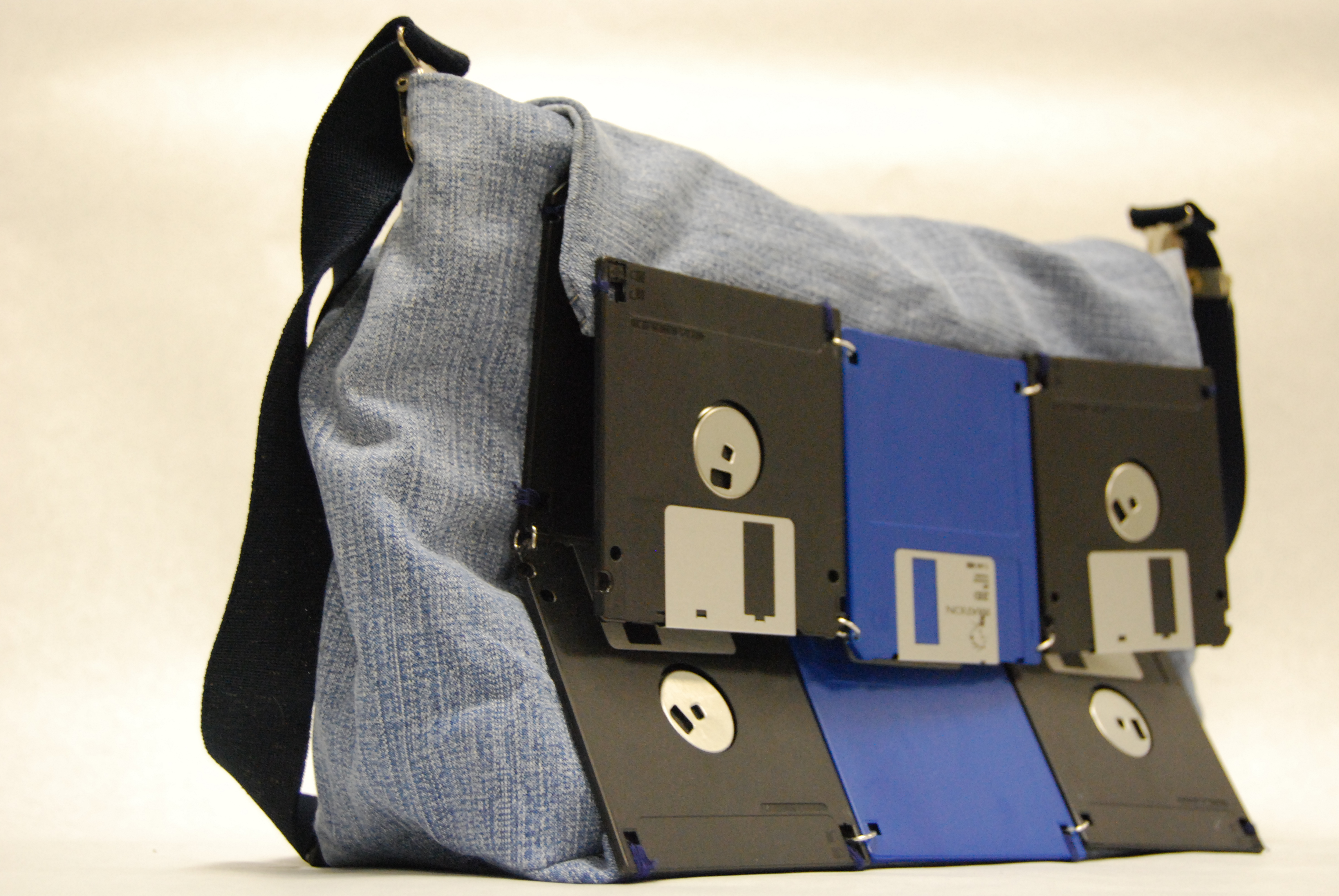
Creative Solution:  Floppy-disk/Jeans bag


How it was made:
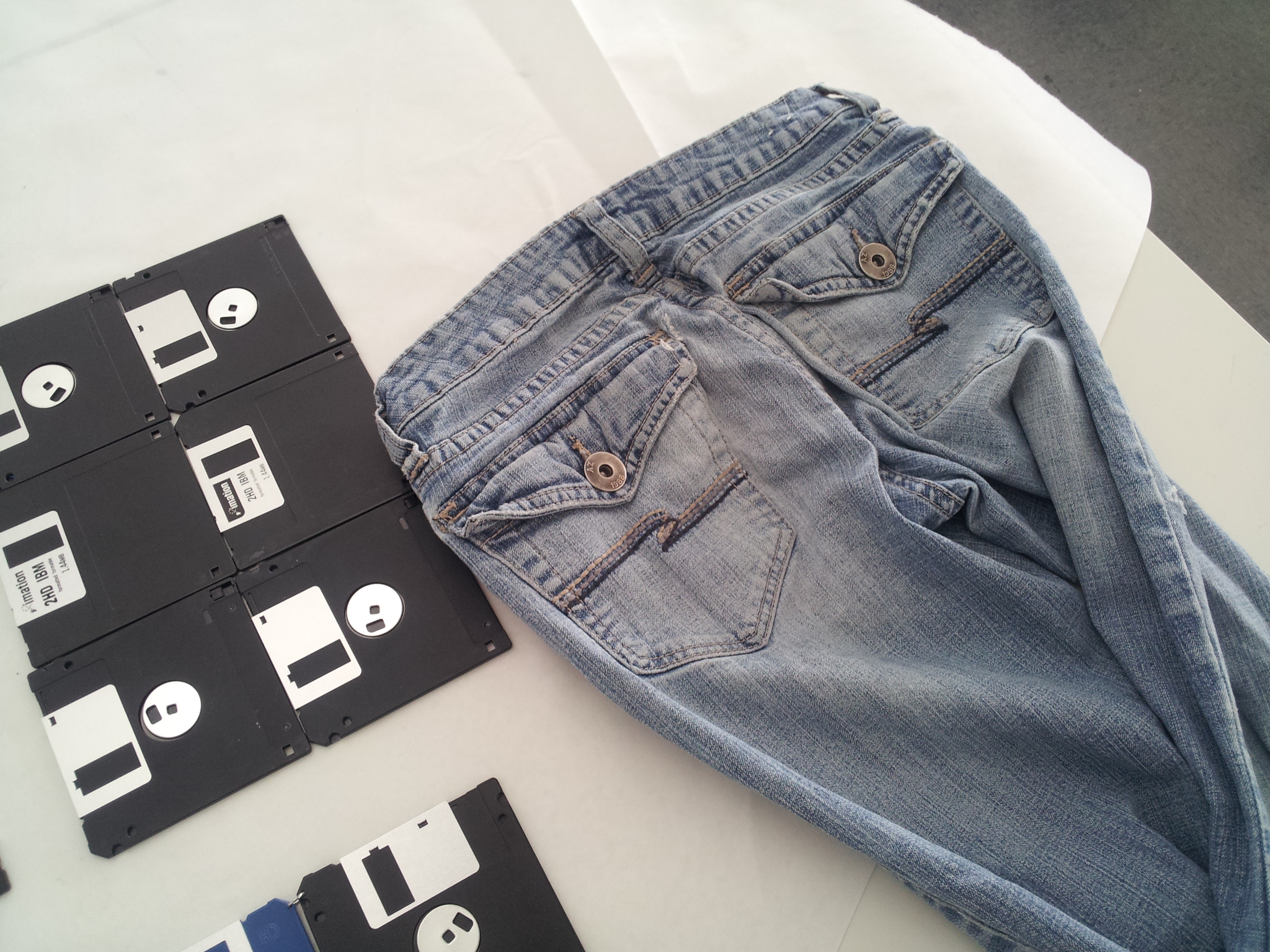
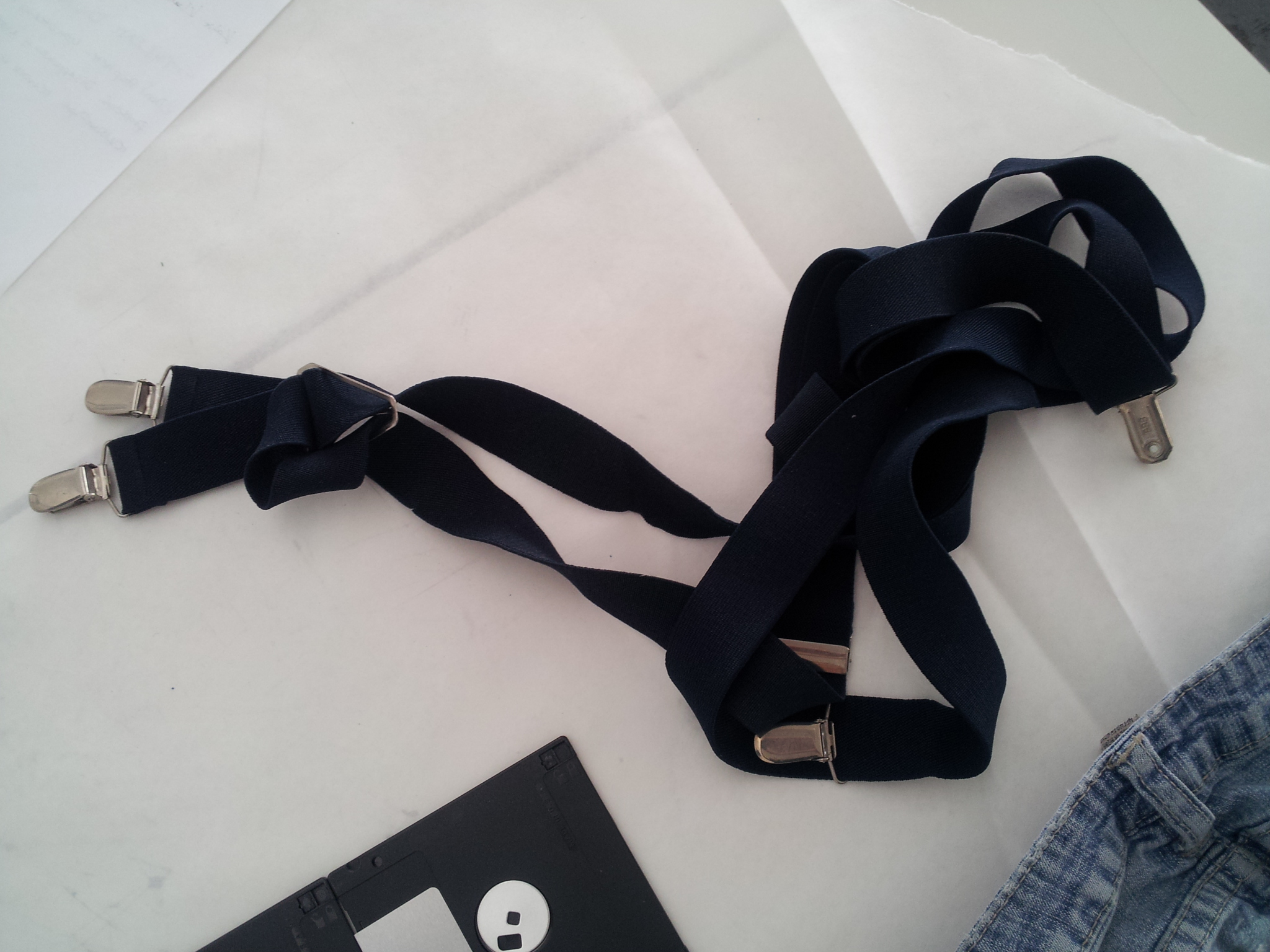
I have a tendency to not throw away anything because I always think that “Oh I may need it for a future project or craft.” In this case my mild hoarding came in handy. I looked through a lot of the random materials that I had at hand to see if I could create something new out of any of it. I stuck with using theses three items: floppy disks, an old pair of jeans, and some suspenders.


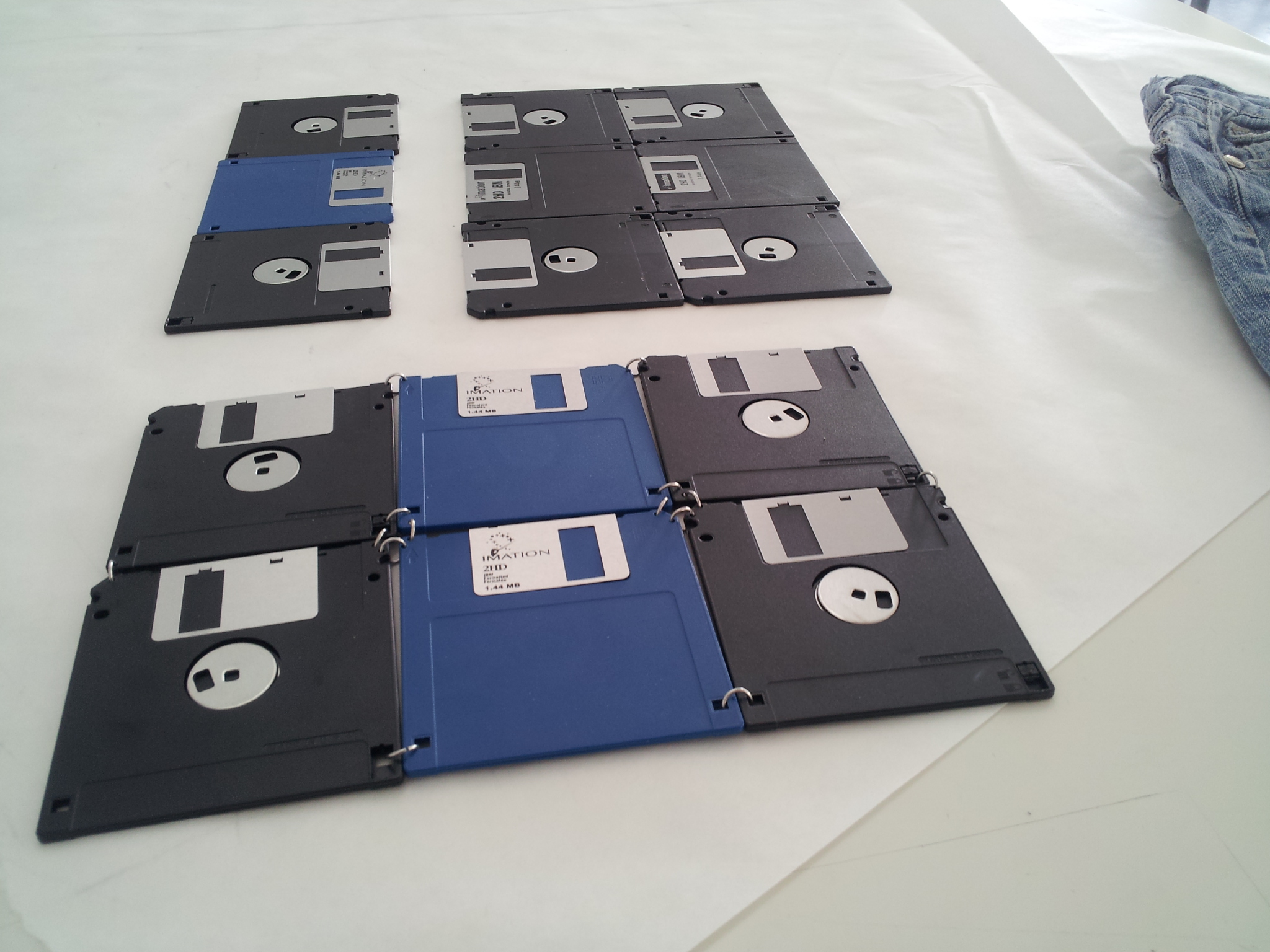
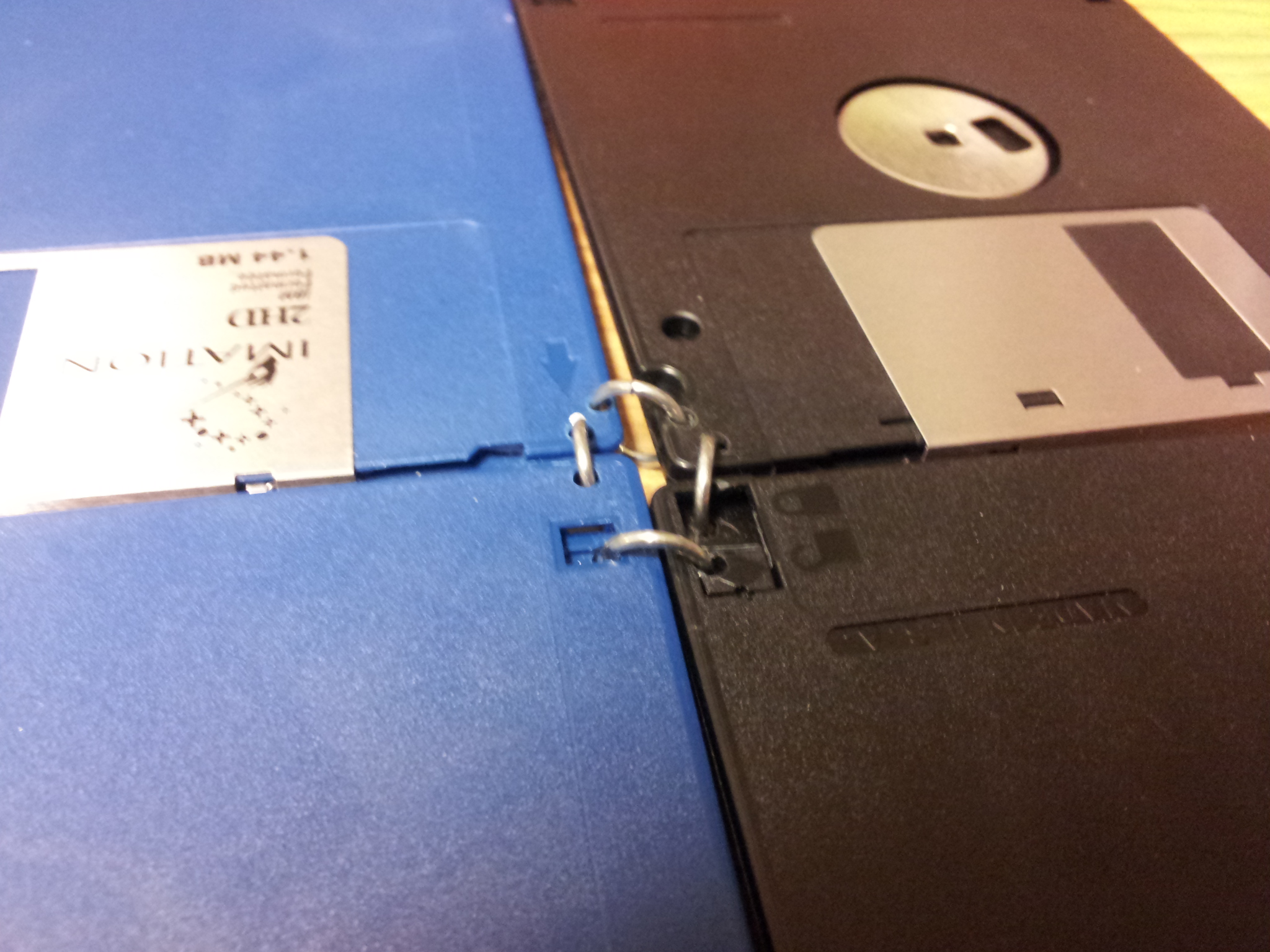
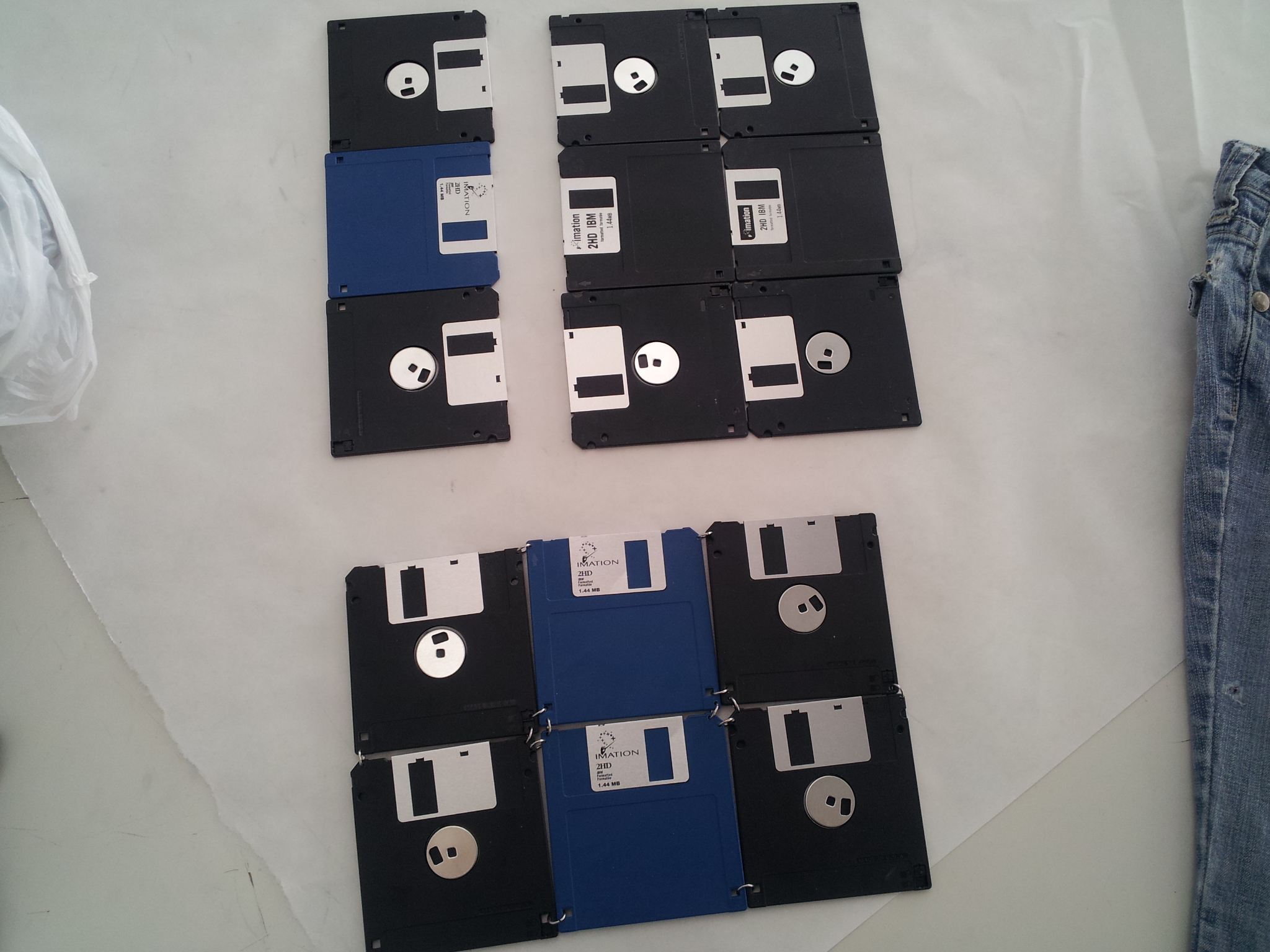
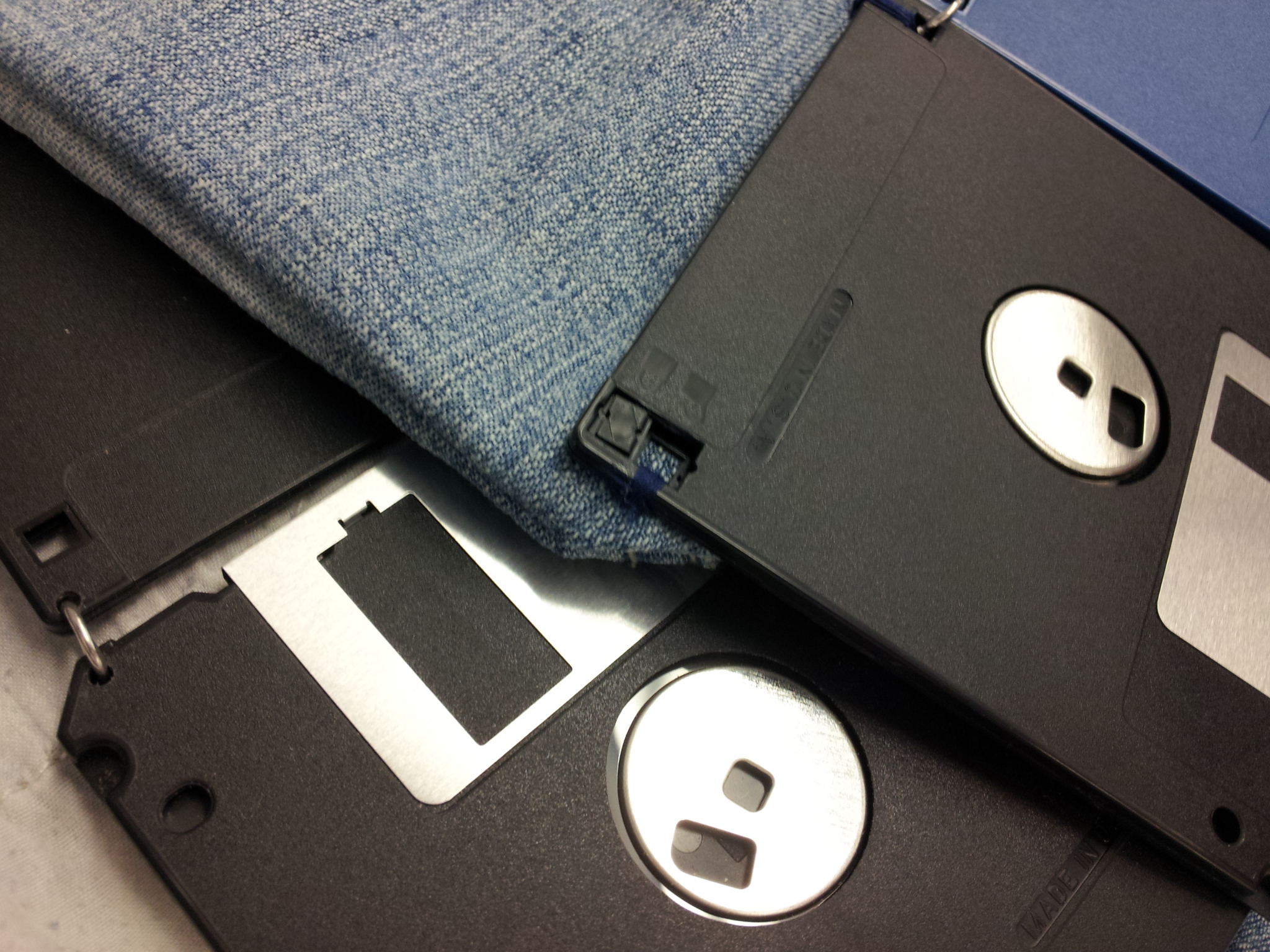
I first drilled holes into the floppy disks and then looped them together with jump rings until I had a sheet of 1×3 and two sheets of 2×3.


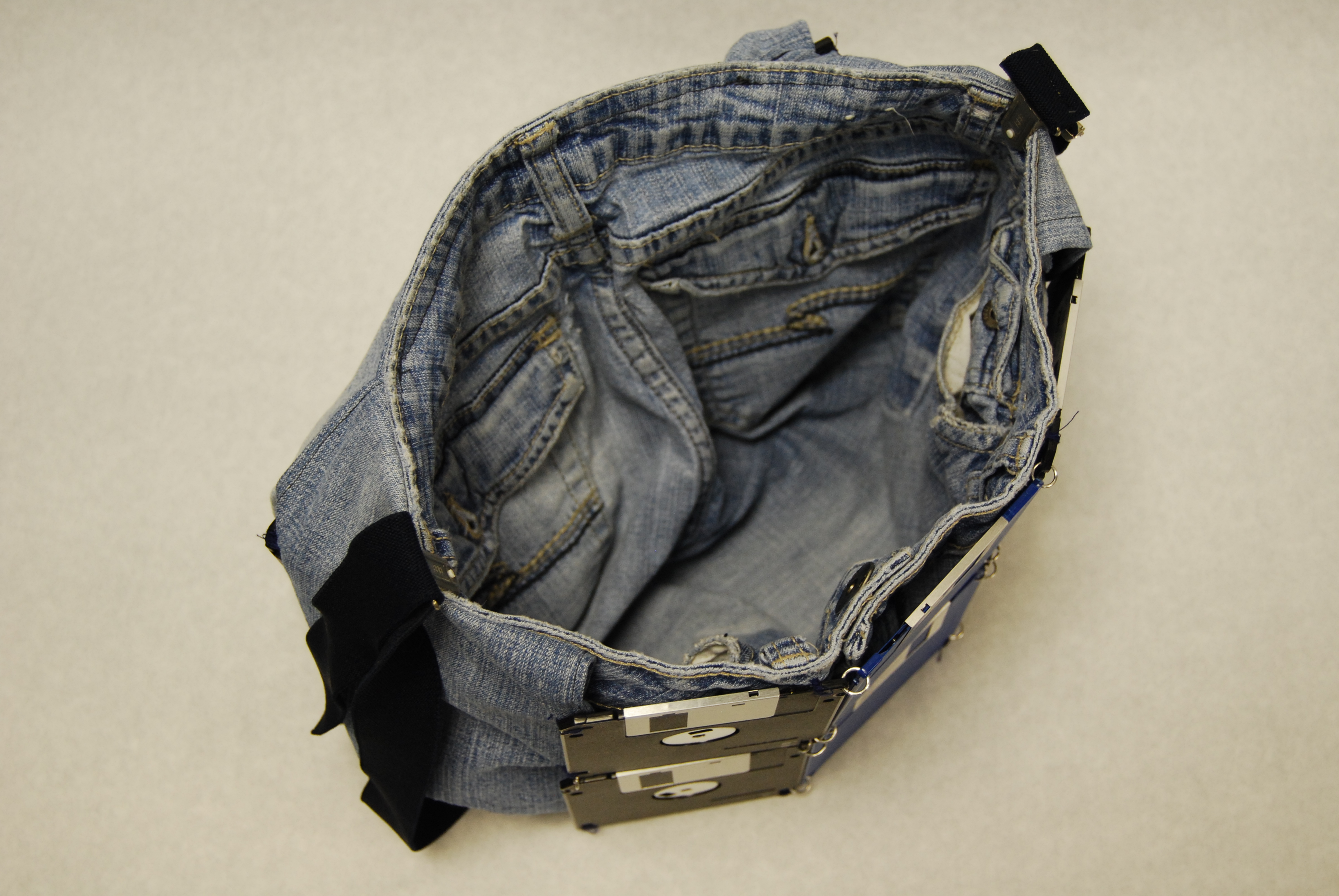
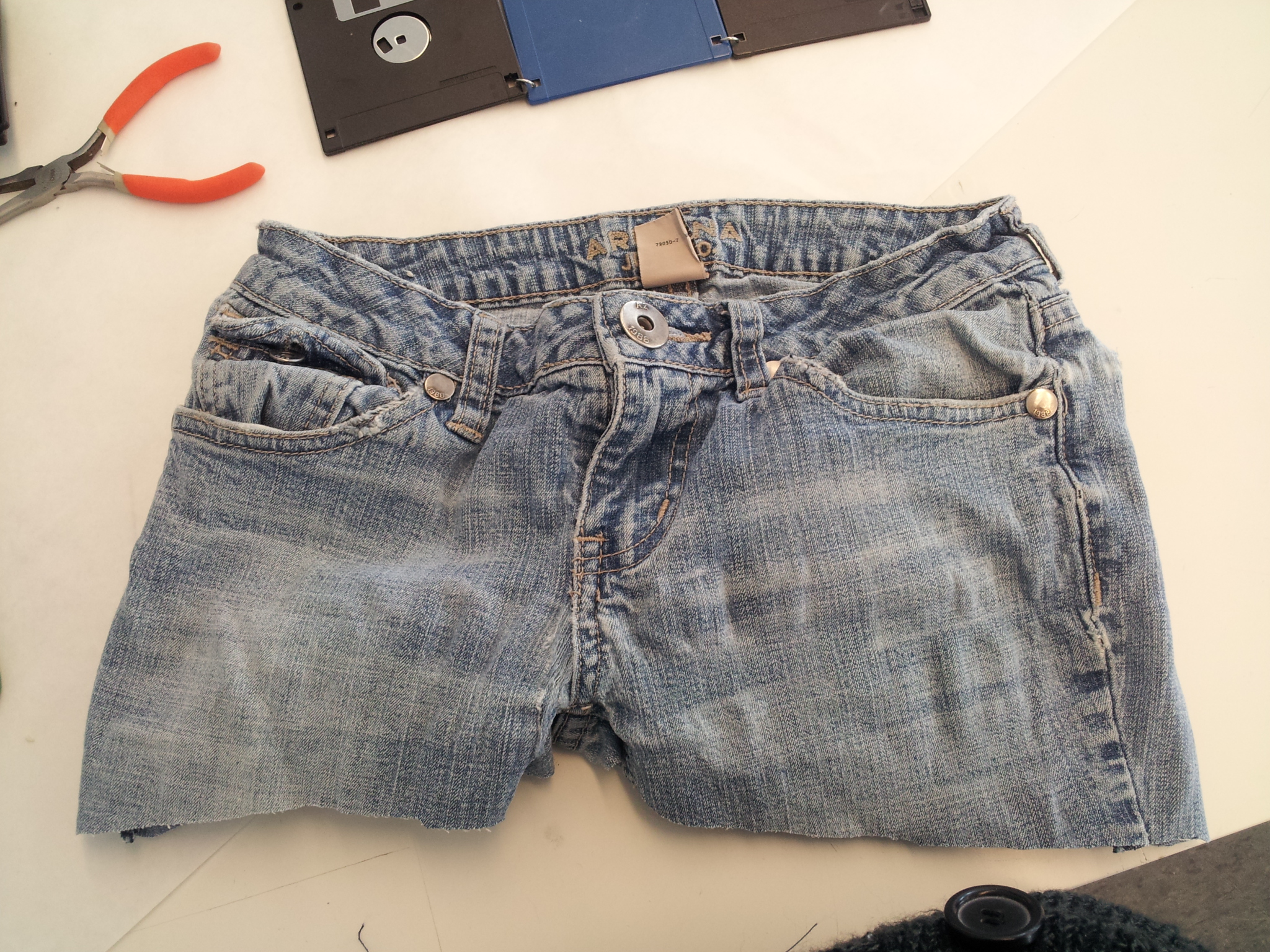
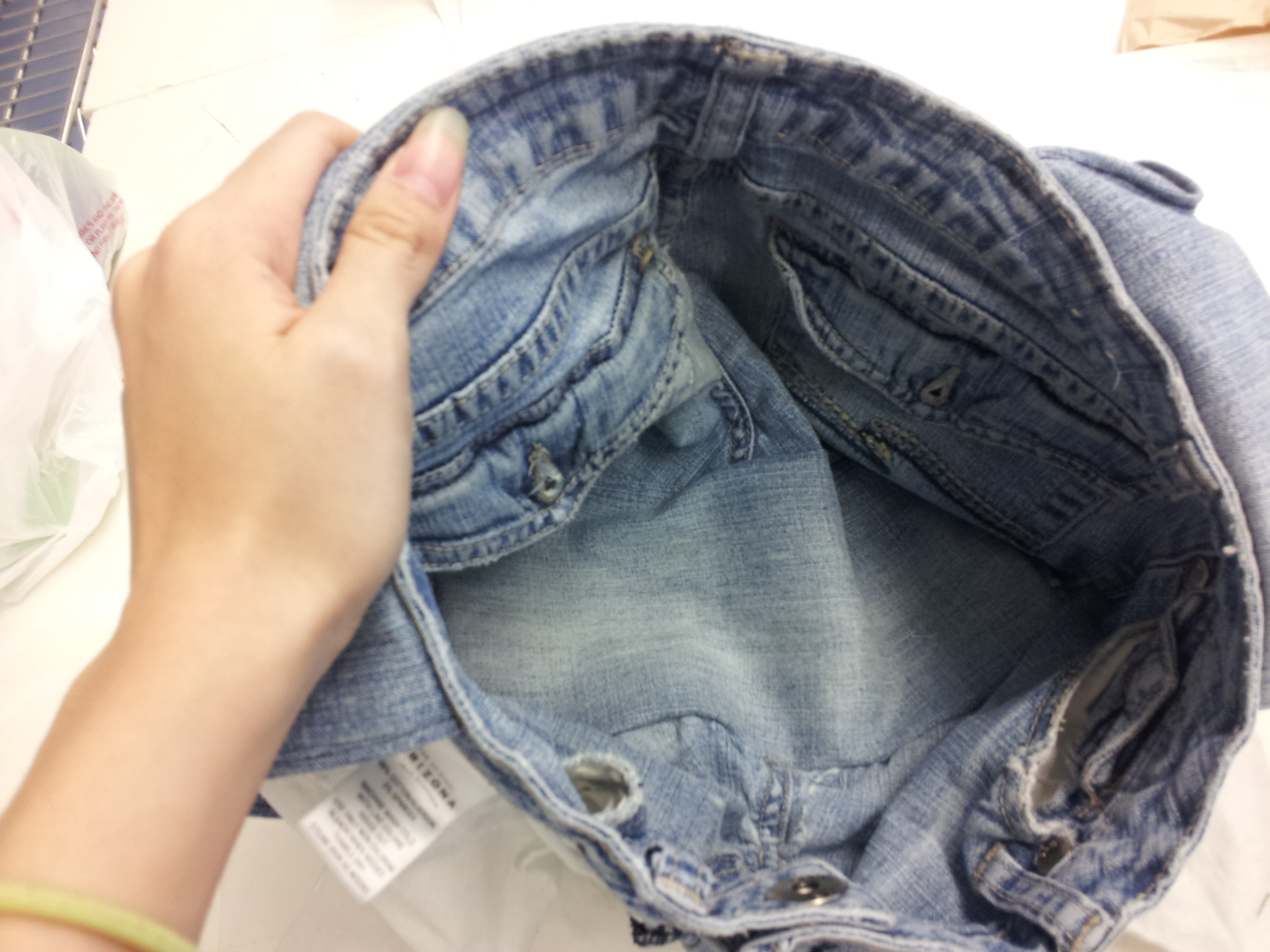
I then cut the jeans right above where it splits into two legs. Then turned them inside out so that the pockets will be on the inside of the bag.


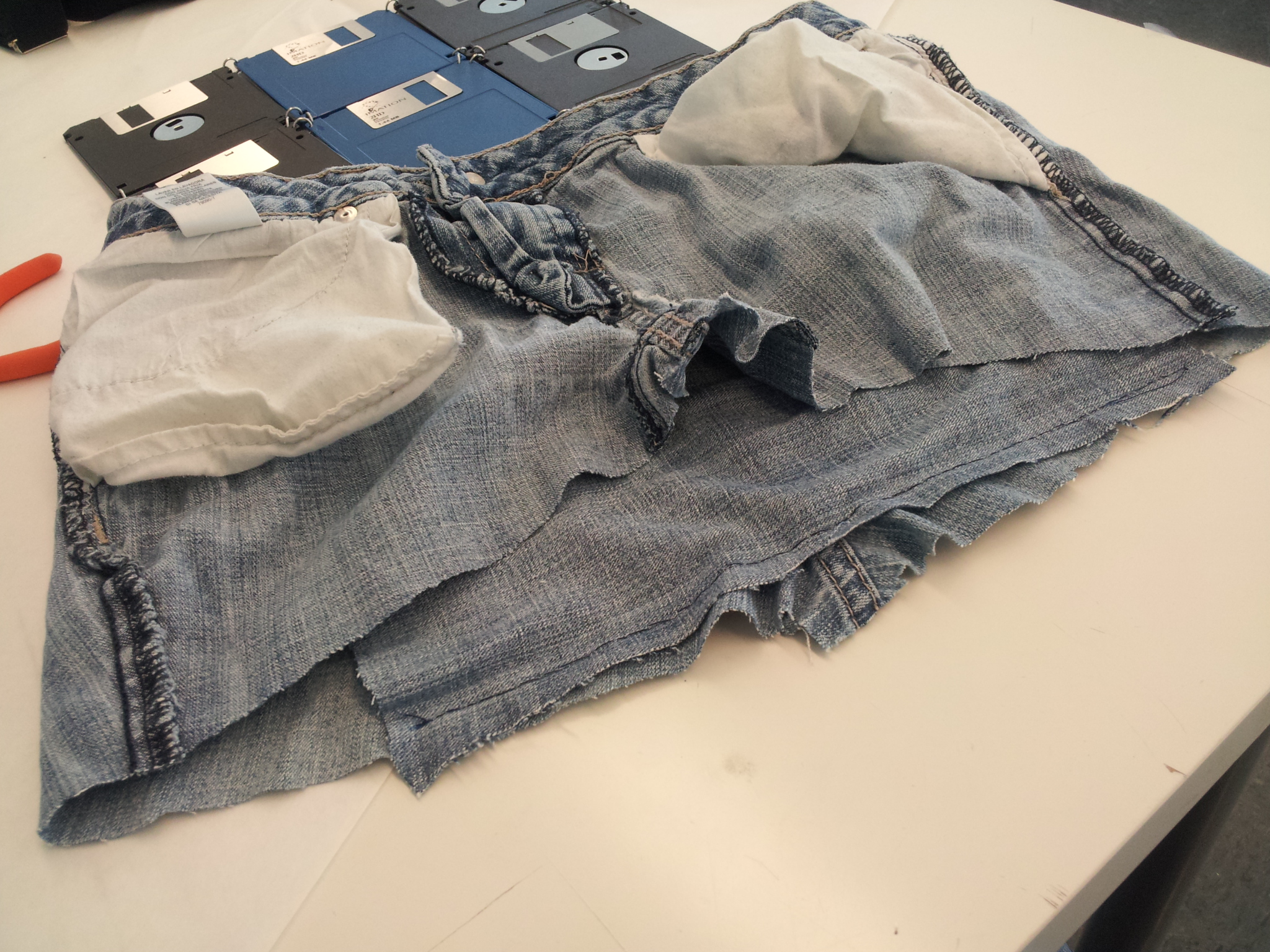
I then sewed a bottom to the jeans.


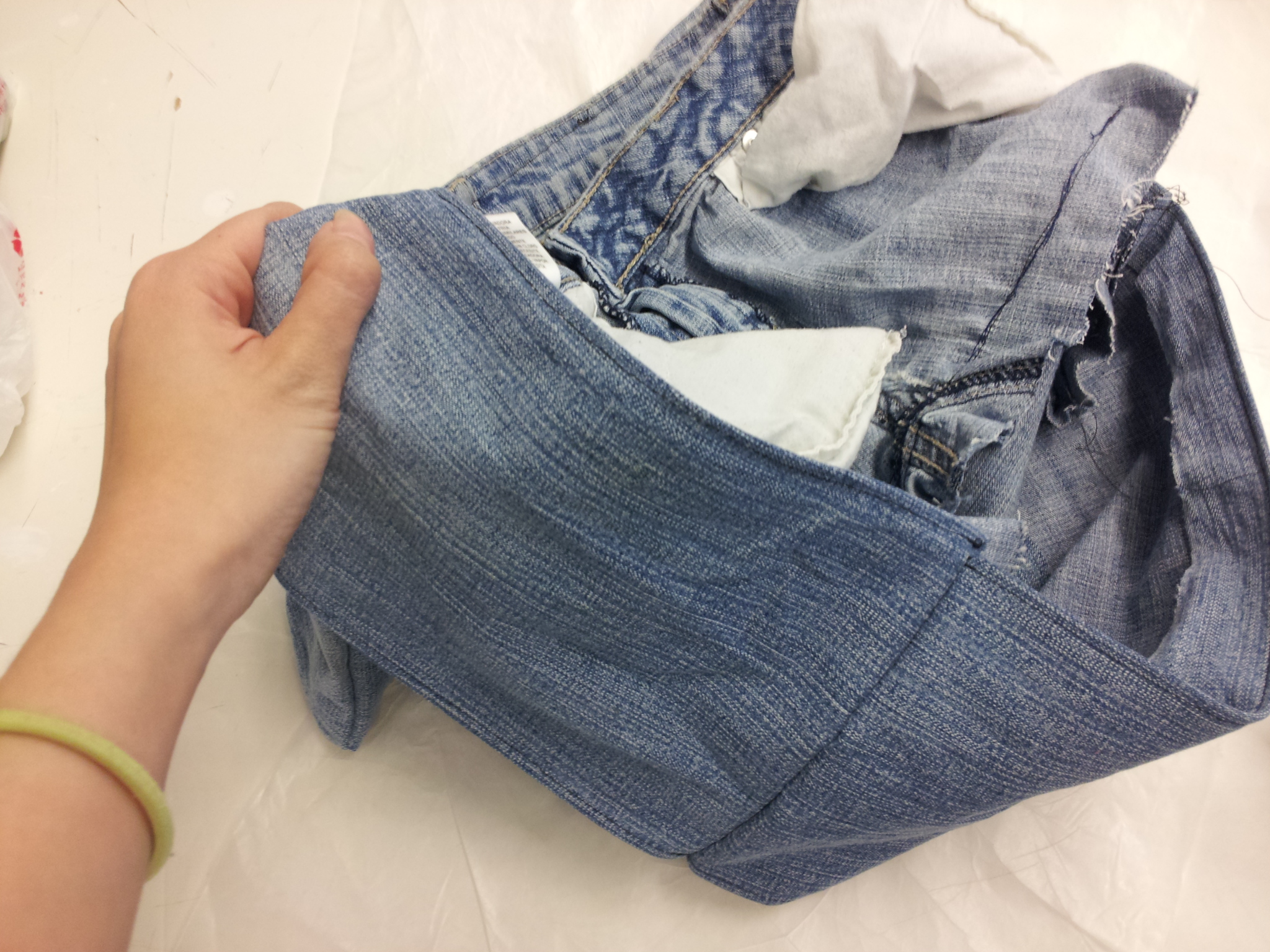
Then sides and a second bottom layer.


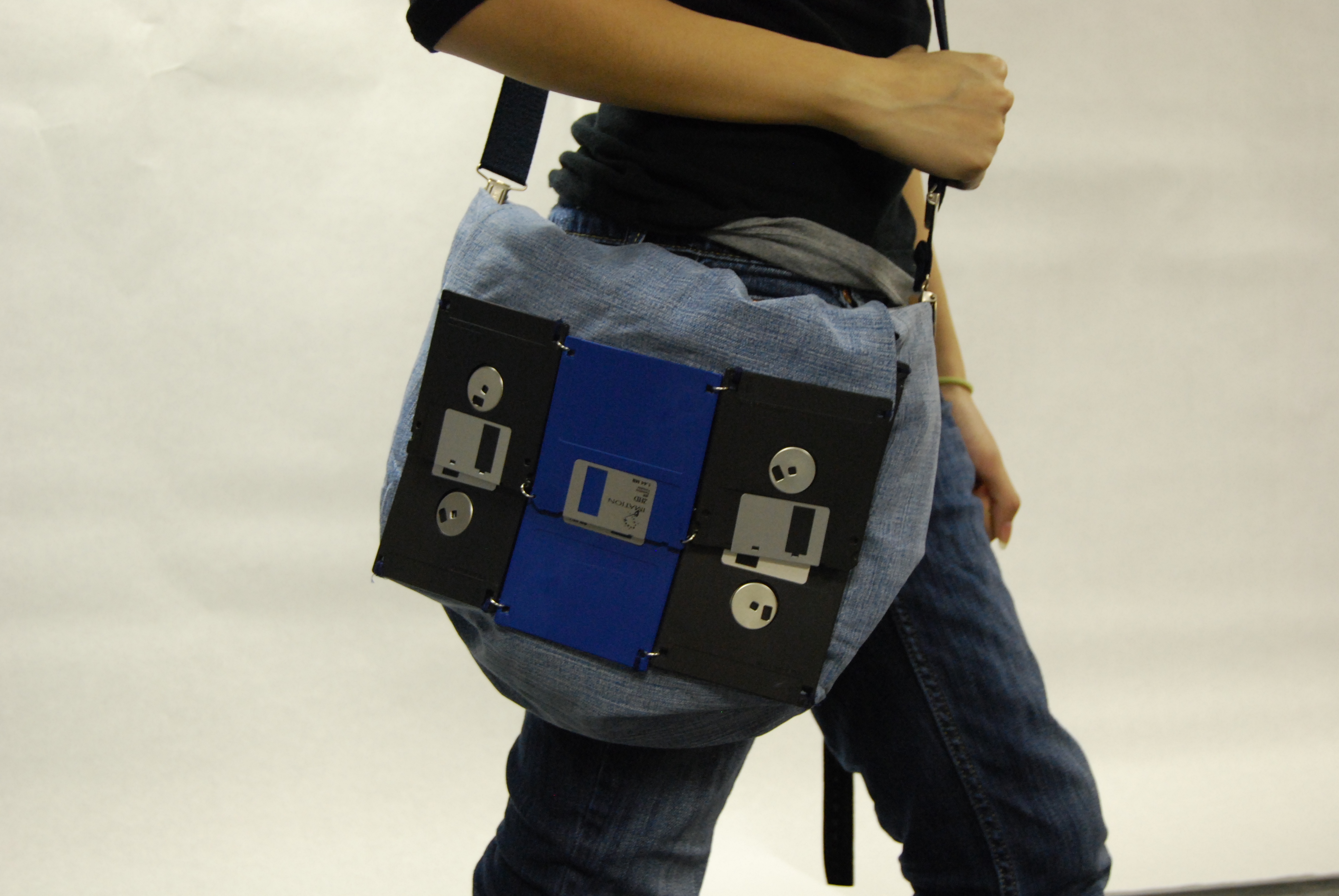
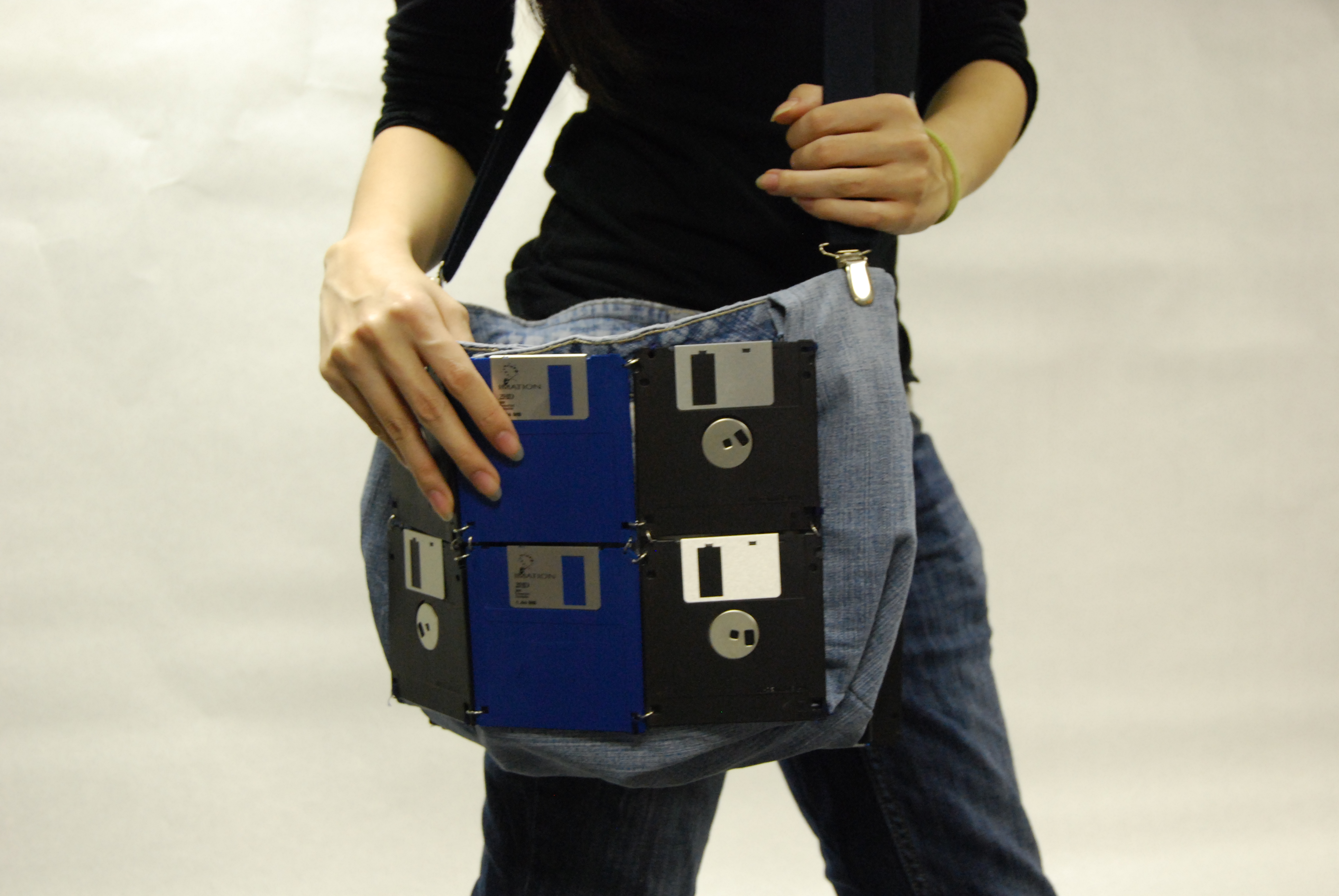
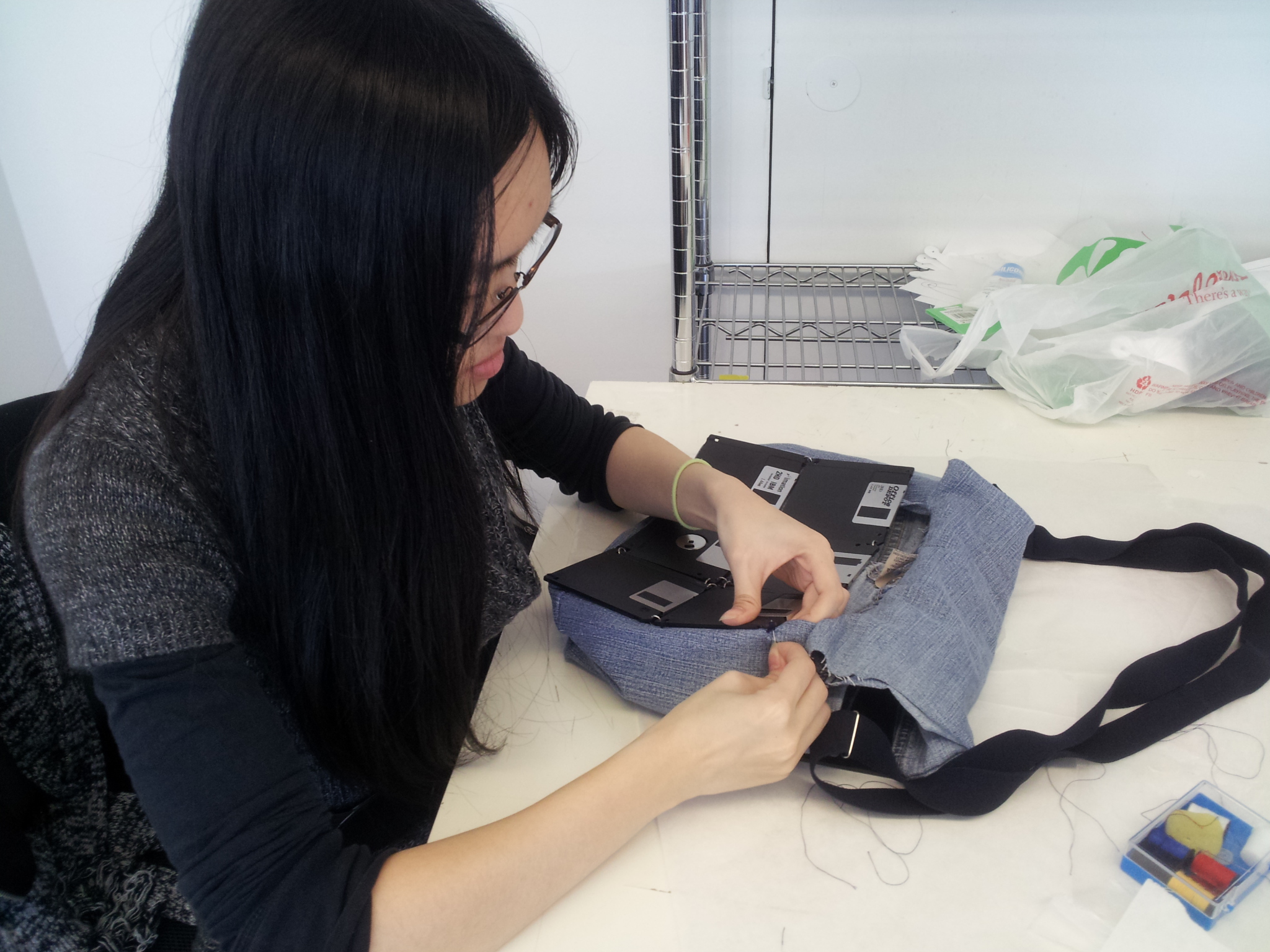
Then sewed on the floppy disk sheets to the front and back. I also added a flap on the top where the 1×3 sheet is sown to. The suspenders are then just attached to both sides of the bag to be the straps.


And there you have it a recycled bag made from old floppy-disks, an old pair of jeans and old suspenders.

- K

Tuesday, May 1, 2012

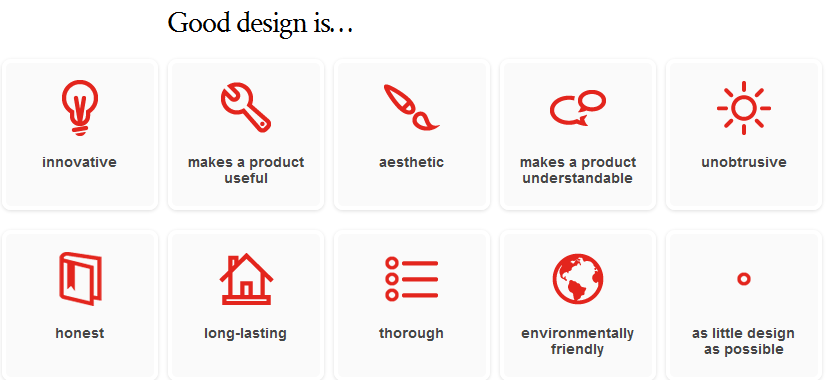
Good Design Is...

We designers, we don’t work in a vacuum. We need business people. We are not the fine artists we are often confused with. Today you find few companies that take design seriously, as I see it.”
— Dieter Rams


- K


Tuesday, April 24, 2012

Doodling for Dollars

An interesting article that discusses how "employees at a range of businesses are being encouraged by their companies to doodle their ideas and draw diagrams to explain complicated concepts to colleagues."


Read the full article here.

- K

Thursday, April 19, 2012

The 5Rs of Great Design

You’ve heard of Reduce-Reuse-Recycle, But that’s only part of the story. Shifting from a world where we try to just do “less bad” to one where we are actually creating MORE GOOD — is the thought process behind a Restorative Economy.
To that end, designers in the o2-Global Sustainable Design Network tossed around ideas to see how we can use the old 3Rs we all know and love, and add just a few bits to it, to create an impact ranked list that will help bring us not only back from the brink of self-destruction, but put us on to the path that will take us to the next level.
To be sure there are WAY more Rs than 5, but the idea was to keep things simple but inclusive, and still be really useful.
Innovation Action-list: The 5Rs of great design
RESTORE
Use materials (and support firms) that help reverse damage or — add — to natural capital. Restorative Economics, the next step in sustainability evolution.
RESPECT
Examine impacts the item will have on stakeholders, as well as eco-systems — social plus environmental justice, look for the win-win-win scenario (triple bottom line). Fair trade, cultural respect, noise/light/visual pollution (the physical stuff of an industrialized society), clear property rights, accessibility issues, universal design issues.
REDUCE
Reduce the materials needed to do function, including: less materials used (includes product life issues [1 LED bulb = MANY incandescent]), less weight to transport (reduce fuel demands), less energy to manufacture, less energy to store (aseptic pack vs. refrigerated milk), less energy to use (LED bulbs vs. incandescent, coldwater wash vs. hot), reduced toxicity (reduce to ZERO).
REUSE
Reuse something already manufactured, and make item easy to BE reused with minimal or NO remanufacturing (packaging AS product).
RECOVER
Create item to be fed BACK into the resource loop (includes Cradle to Cradle), have a robust and easy to use system to RECOVER materials, and USE RECYCLED substrates to make the item (100% PCW paperboard) wherever possible. Under this R we would naturally tuck the old favorite — RECYCLE the things you recovered.
Looking at things in a Cradle to Cradle light for RECOVER and RECYCLE you can’t have one without the other. Recyclable has no meaning unless it’s been Recovered.
It must be noted in the cycles of a Cradle to Cradle model, RECOVER/RECYCLE is the most energy intensive of the Rs. Manufactured items should not be created with a one way trip, or even a virgin renewable resource manufactured good that goes straight to compost, as a first choice. This option should be the — last stop — as part of a well managed system that incorporates the other 4Rs as well.
Paper, paperboard, and pulp (wood, kenaf, bamboo, agripulp, etc.) are great examples of a renewable, biodegradable resource that makes many many useful reuse and/or remanufacture trips (Technical Nutrient) before it’s time to retire them as compost fodder for the next growing cycle (Biological Nutrient).
Sustainability means:
Never having to say you’re sorry.


- K

Monday, April 16, 2012

Paper Shoe Pt 1 - Objective and Original Concepts


Challenge:
- Design a shoe constructed only of paper and white Elmer's glue that has a 5/8" sole and a 1" heel.
- Attempt to walk in the shoe 25 feet.

Creative Solution: My group decided to design a running shoe which means we had to take into account the flexibility of the sole as well as how to make sure that the sole had the strength to hold up a person. we wanted more of a fitted shoe that would also have the durability to live up to the wear and tear of running.

User Profile:
- Age: 18-45
- Height: 5'8"-6'8"
- Weight: 160-190lbs

Original Concept Sketches:


- K


Thursday, April 12, 2012

World Industrial Design Day Video Challenge

This year marks the 5th anniversary since the inception of World Industrial Design Day, which was created in 2007 on the occasion of Icsid's 50th anniversary. To celebrate the milestone, the organisation is asking the global design community one simple question - What is industrial design?

To facilitate the collection of ideas about 'What is industrial design?' Icsid has launched a social media campaign. All Icsid Members and friends are encouraged to participate in this year's video challenge by submitting their definition of industrial design in 10 seconds or less.

Read more: http://www.dexigner.com/news/24988#ixzz1teKpcTKJ


As outlined in the video, Icsid is looking for 10-second videos submissions that essentially complete the phrase, "I think industrial design is..." Once you're video is recorded, upload it to YouTube with the title, "Hey Icsid Industrial Design is" so that it can easily be searched online. You can also post the YouTube link to Facebook or Twitter.
- K


Read more: http://www.dexigner.com/news/24988#ixzz1teLbuYx1

Saturday, April 7, 2012

Discarded to Precious


Recently we finished a Discarded to Precious assignment in our design class. The assignment was to basically take something people throw away and make it something awesome. I obviously decided that I was going to make clothing, a dress to be specific.

Why? I really have no idea. I guess I just wanted a reason to use a sewing machine and say I made an outfit. All the cool kids can sew.

Anyway, I decided to use plastic bags and iron them together to make them stiff. When you iron plastic bags together, they become really WEIRD.
Which one is not like the others
This is with the pattern I made by hand. It wasn’t too bad, but for whatever reason I had no idea how to sew this when it came down to curves. I figured it out, but I don’t really know how.
Beautiful
Basically what it looked like in the end after sewing it and sticking some duct tape to the bottom of it for some ‘hem’.

I wish I could show the whole process, but I forgot to take pictures of most of it. And as much as I’d love to show pictures of the completed model, but I’d rather not have a human model in it. So MAYBE ONE DAY.

The back is a lace up with some old shoelaces I found from a pair of shoes I used for Halloween. They have no traction, so I won’t be using them again. I figured that much so why not use the shoelaces right?
Seemed like a good idea at the time
My partner on this blog took most of these pictures for me because I am incompetent. So rousing applause!

Anyway, I didn’t get much more than a book.
There aren’t any pictures in it so that means I have to read it.
Not really sure what it’s about.

- A

Sunday, February 26, 2012

Why Industrial Design?


How did I get into industrial design in the first place…

Honestly I didn’t even know the term “industrial design” until my freshman year at university, but the more I learned about it, the more intrigued I got.  I soon realized that my initial interest in graphic design was being replaced by my newfound passion for this industrial design. But why the switch from 2D designs to 3D?

Truly it’s because… I…love…things


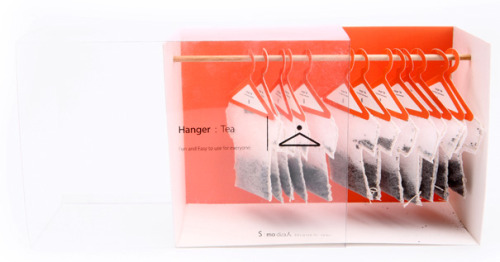
I love things that are clever, playful and simple.
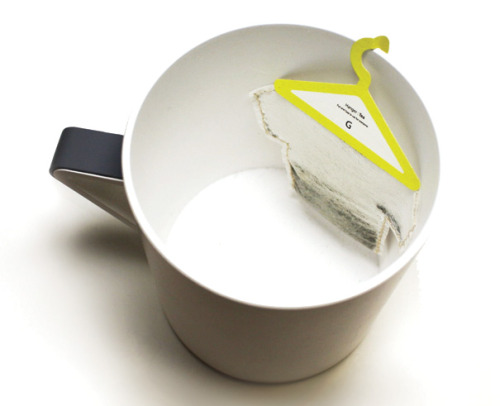
Hanger Tea

I love things that are cool, that make me want to have them. I love intricate things. 
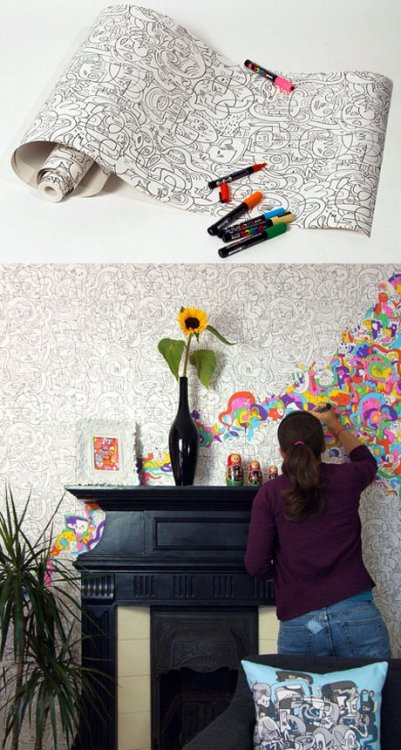
Coloring Book Wallpaper
I love modular things. I love things that surprise me or make me think differently.  
Modular Furniture

I love building, making and being able to touch what I make. It is this obsession of things that make me love industrial design for what it is, making things.

- K